Learning From Drowning
An Afterglow Broken From the Colony Reflection

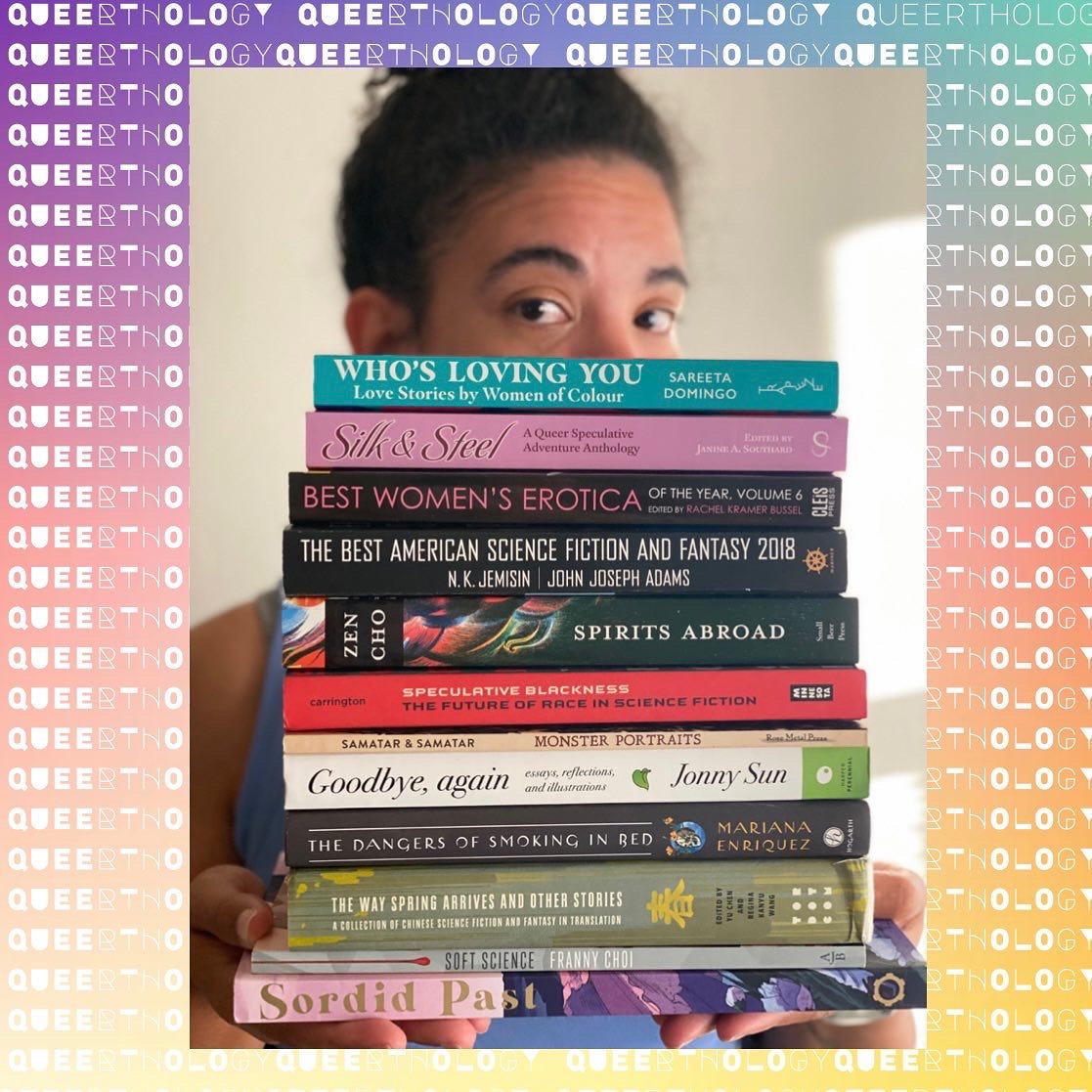
Last summer, StrwbrryCrmChze and I were asked by our long time internet friend, Kris, to write reflections based upon the climate fiction anthology, Afterglow: Climate Fiction for Future Ancestors for her substack, Queerthology Book Club. Every month they read an anthology, nonfiction, comic, or poetry collection by QTBIPOC creators. The following is the reflection reproduced:
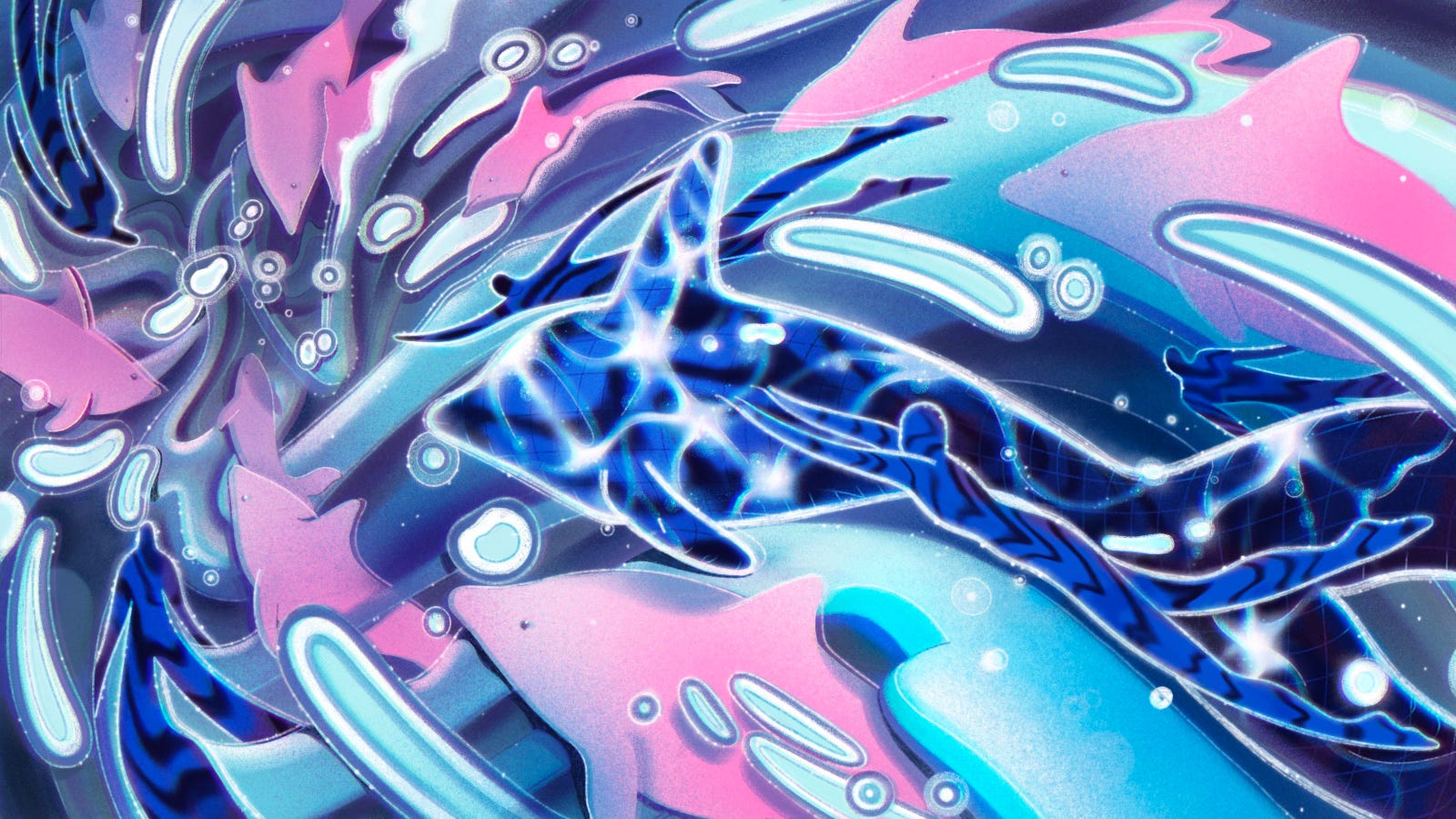
Working my way through Afterglow was a slow emotional experience. Each story is a keyhole into devastating visions of the mass loss we face in climate disaster interwoven with imaginative futures and sprinkled with inventive survival ideas. As someone who has lived on an island my whole life from Manhattan to Long Island, I often think about the only home I've ever known being underwater. It was these connections and more that had me immediately immersed in the story Broken from the Colony by Ada M. Patterson. Swimming through this story alongside the main character the reader becomes lost not only in time but, uncertainty swirls at the state of her physical body. What is clear is that she and the world around her is in a state of constant change and transition. In all this turmoil the reader is only grounded by the M.C. and the steadfast nature of her spirit.
“They all believed survival was something you bought in a store”
Our un-named Main character is at odds with the people she's lived her whole life, among on the island she calls her home , because they fall short for her in a myriad of ways. From their connection or lack thereof with her identity and the land and the water around them. She acknowledges these shortcomings without judgment, and provides context to why they live the way they do but, the true struggle is not only rooted in their unwillingness to change but their inability to recognize it.
“She wanted more from them. For them.”
Drowning is used throughout the story as both its literal definition as well as a metaphor of what it feels like to constantly push parts of your authentic self under the surface. Drowning in identity, underwater in a world that refuses to see you. Despite the murkiness around the changes happening to her body, her spirit and motivations are steadfast and clear. She leans into the unknown and becomes conscious of what it means to experience a transformation that is invisible to those around you.
“How could you live your whole life on an island and not know how to swim?”
An existence that is not able to recognize or adapt to change is unsustainable. And so
is one that disregards life and its changes around them. Broken from the Colony highlights that our refusal to accept change and infinite possibilities will not only leave us unable to recognize the ways the world is reacting to our influences but further limits the ability to see those who are adapting and creating new life and new ways to live and learn in transition with the earth.
“Had anybody told them what had happened, what had changed?”
At the center of the discussion around climate change and how we treat the earth engages conversations about how we view, engage and interact with each other; introducing discussions of gender, language and who we dismiss from society. Broken from the Colony is a story of drowned islands and a tale of trans existence and resilience. Those whose existence is to be change, and to be fluid and to shift in ways outside of the boxes we have housed them in. Uplifting those who understand what it means to drown because they are the same as the ones who will to breathe underwater and teach us how to live with the earth again. Trans people and others who live on the fringes of society embody survival because they at their core understand change and the fluidity of life. It is their strength, flexibility and understanding of community that will pull us toward a new world, a world in which we are
“Caring for each other's bodies like we lived in each other's bodies”.
This post was originally writted for Queerthology Book Club.
The Queerthology Book Club is for people interested in reading and discussing anthologies, short stories, nonfiction, comics, or poetry by QTBIPOC creators. The creator, Kris (she/they), is a 35 year-old queer Puerto Rican living in the Bay Area.